



The Complete Antibody Inventory Management Guide for Research Labs
Stop losing money on duplicate antibody orders. Learn how to build an effective antibody inventory system that saves time, reduces waste, and improves reproducibility.
AbTrove Team
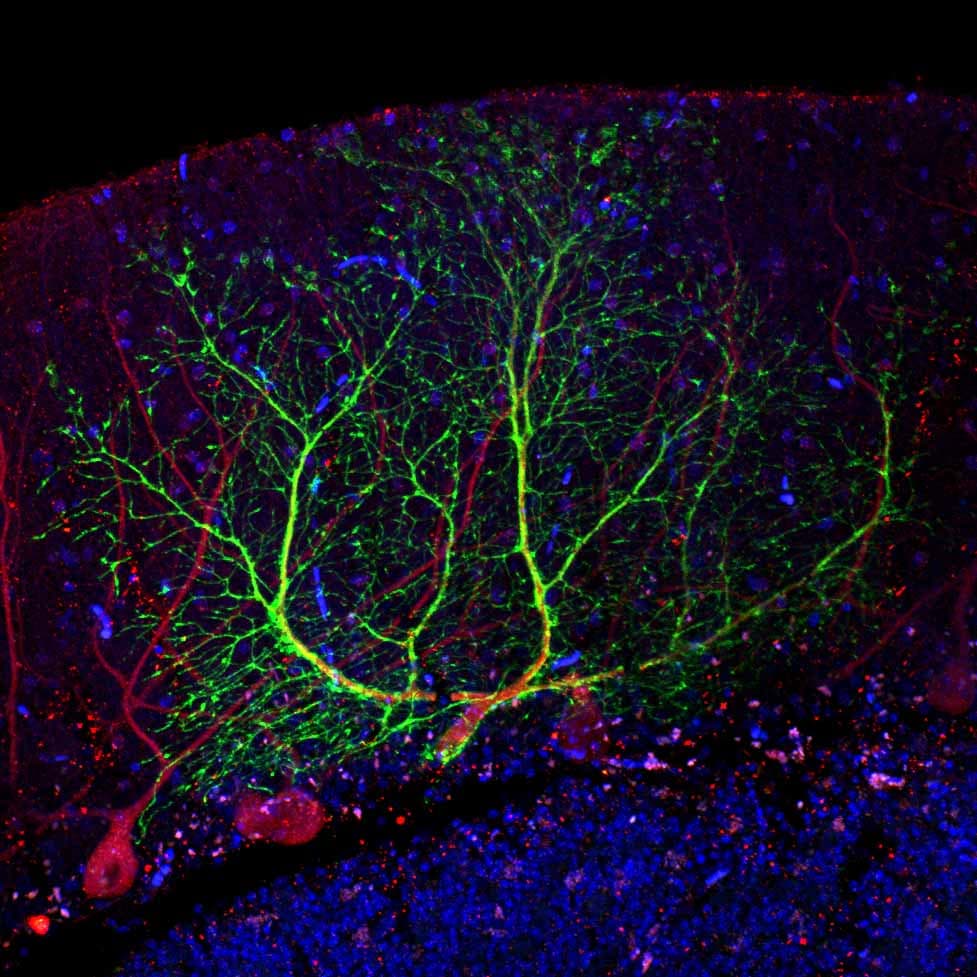
Your lab just ordered another aliquot of that expensive anti-CD45 antibody—only to discover three tubes buried in the back of the -20°C freezer. Sound familiar? Poor antibody inventory management can cost research labs thousands of dollars annually in duplicate purchases alone, not counting the wasted time and delayed experiments.
The good news: building an effective antibody inventory management system doesn't require expensive enterprise software or months of setup. With the right approach, you can transform your lab's reagent chaos into an organized, searchable database that actually gets used.
Why Antibody Inventory Management Matters More Than You Think
Antibodies are among the most expensive consumables in any research lab. A single primary antibody can cost anywhere from $200 to $600, with specialized antibodies reaching well over $1,000. When you multiply that by the dozens or hundreds of antibodies a typical lab accumulates over years of research, the financial stakes become significant.
But the true cost of poor inventory management extends beyond duplicate orders:
- Failed experiments from using degraded or expired antibodies
- Reproducibility issues when lot numbers and validation data aren't tracked
- Wasted researcher time hunting through freezers and spreadsheets
- Delayed projects when critical antibodies aren't available
- Lost institutional knowledge when lab members leave without documenting their reagents
A well-designed lab antibody database addresses all of these problems while creating a shared resource that grows more valuable over time.
The Five Core Components of Effective Antibody Tracking
Whether you're building your antibody tracking system from scratch or evaluating antibody tracking software, these five components are essential:
1. Complete Antibody Records
Every antibody in your inventory needs a standardized record containing:
- Basic identifiers: Target, host species, clonality, catalog number, vendor
- Stock information: Lot number, concentration, volume, storage location
- Provenance: Purchase date, receipt date, who ordered it
Pro Tip: Include the RRID (Research Resource Identifier) for each antibody. RRIDs are increasingly required by journals and make your research more reproducible.
2. Physical Location Tracking
Knowing you have an antibody is useless if you can't find it. Your inventory system needs to track:
- Freezer/refrigerator where the item is stored
- Shelf or rack position
- Box identifier
- Position within the box (e.g., A3, B7)
Visual freezer maps are particularly effective for labs with multiple -20°C and -80°C units. When a researcher can see exactly where to find what they need and where to put it back, the system actually gets used.
3. Stock Level Monitoring
Running out of a critical antibody mid-experiment is a researcher's nightmare. Effective lab inventory management includes:
- Current stock levels (number of aliquots, remaining volume)
- Minimum threshold alerts when stocks run low
- Usage history to predict reorder timing
4. Searchable Database
Your antibody database is only as useful as its search capabilities. Researchers should be able to find antibodies by:
- Target protein or antigen
- Host species
- Vendor or catalog number
- Free text search across all fields
5. Shared Access and Permissions
Lab inventory management works best when everyone contributes. Your system should support:
- Multi-user access for all lab members
- Role-based permissions (who can add, edit, delete)
- Activity logging to track changes
- Easy updates so maintaining the inventory isn't a chore
Building Your Antibody Inventory: A Step-by-Step Approach
Getting started is often the hardest part. Here's a practical roadmap for establishing effective reagent management:
Phase 1: Audit Your Current Inventory
Before you can organize, you need to know what you have. Set aside dedicated time—ideally with the whole lab—to find every box that contains antibodies and document (at minimum) the name, catalog number, lot number, location.
This audit typically reveals both more antibodies than expected and more duplicates than anyone realized.
Phase 2: Choose Your System
You have three main options for building your lab antibody database:
Spreadsheets (Excel/Google Sheets): Free and familiar, but they don't scale well. Version control becomes a nightmare, there's no location mapping, and search is limited. Suitable only for very small collections (<50 antibodies).
Database software (Airtable, Notion): More flexible than spreadsheets with better relational data handling. However, they require significant setup and lack lab-specific features like location mapping.
Dedicated antibody tracking software: Purpose-built for research labs with features like visual freezer maps, RRID lookups, and experiment integration. The right choice for labs serious about long-term inventory management.
Phase 3: Data Entry and Standardization
Consistent data entry is crucial for searchability. Establish conventions for:
- Naming: Use official gene symbols (CD45, not "leukocyte common antigen")
- Concentrations: Standardize units (always mg/mL or µg/mL)
- Dates: Use ISO format (YYYY-MM-DD) to avoid confusion
Pro Tip: If you're entering hundreds of antibodies, consider bulk import from a spreadsheet rather than one-by-one entry. Most modern inventory systems support CSV imports.
Phase 4: Establish Workflows
An inventory system only stays current if updates become part of your lab's routine:
- When antibodies arrive: Add them to inventory before storing
- When using antibodies: Update stock levels, update the inventory if tubes are moved or used up
- Monthly review: Check for expiring stock and reorder needs
Common Pitfalls and How to Avoid Them
The "I'll Update It Later" Problem
The number one reason inventory systems fail is that updating them feels like extra work. Solutions:
- Make the system accessible where researchers work (mobile-friendly, near the freezer)
- Minimize required fields—capture the essentials, let other details be optional
- Build updates into existing workflows rather than creating new tasks
The "Orphaned Antibody" Problem
When lab members leave, their reagent knowledge often leaves with them. Prevent this by:
- Requiring inventory entries as part of the ordering process
- Including antibody documentation in offboarding procedures
- Assigning an "inventory champion" to maintain system quality
The "Nobody Uses It" Problem
A system that only the PI uses isn't really a system. Drive adoption by:
- Training all lab members during onboarding
- Making it genuinely faster than hunting through freezers
- Celebrating when the system prevents a duplicate order or saves an experiment
Advanced Strategies: Beyond Basic Tracking
Once your fundamental antibody inventory management system is running, consider these enhancements:
Integration with Ordering
Link your inventory to your ordering workflow so new antibodies automatically appear in the database when purchased, complete with catalog information and pricing.
Validation Protocols
Build validation checklists into your system. When someone adds a new antibody, prompt them to perform standard validation experiments and record the results. Over time, this creates an invaluable knowledge base of what works in your specific applications.
Cross-Lab Sharing
If your institution has multiple research groups working with similar targets, consider a shared antibody registry. This reduces redundant purchases and helps labs benefit from each other's validation work.
Experiment Linking
Connect antibody records to experiments and publications. When it's time to write your methods section, you'll have exact catalog numbers, lot numbers, and dilutions at your fingertips.
How AbTrove Simplifies Antibody Inventory Management
Managing all of this manually is possible but time-consuming. AbTrove was built specifically to address the challenges research labs face with antibody and reagent management.
Key features that make inventory management effortless:
- Visual freezer maps: See exactly where every antibody is stored with drag-and-drop box organization
- Smart search: Find antibodies by any field—target, application, host species, or free text
- Bulk import: Migrate your existing spreadsheet data in minutes, not hours
- Stock tracking: Monitor aliquot counts and get alerts when supplies run low
- Lab-wide sharing: Everyone sees the same inventory with appropriate permissions
- Order tracking: Know exactly what antibody your lab member wants to order and track each stage of the ordering process
By centralizing your lab's antibody data in a purpose-built system, you eliminate the fragmentation that leads to duplicate orders, wasted reagents, and lost institutional knowledge.
Ready to Transform Your Lab's Antibody Management?
Join researchers who are saving hours on antibody management
Start Free Today →Conclusion: Small Investment, Significant Returns
Implementing effective antibody inventory management requires upfront effort—the audit, the data entry, the workflow changes. But the returns are substantial and ongoing: fewer duplicate purchases, less time searching for reagents, better experimental reproducibility, and preserved institutional knowledge.
Key takeaways:
- Start with an audit to understand what you actually have
- Choose a system appropriate for your lab's size and complexity
- Standardize data entry to enable effective searching
- Build inventory updates into existing workflows
- Track not just what you have, but where it is and whether it works
The labs that take inventory management seriously find themselves spending less on reagents, running more successful experiments, and publishing more reproducible research. That's a return on investment any PI can appreciate.